From Wisdom Teeth to Full-Arch Implants: A Patient's Complete Guide to Oral Surgery in Metro Detroit
ARIA Medical Editorial Team
Reviewed by Dr. Hadi Khazaal, MD, DDS

If you've been told you need oral surgery — or you're researching options for yourself or a family member — you likely have questions. What does the procedure involve? How long is recovery? Will it hurt? How much will it cost? This guide is designed to answer those questions honestly and comprehensively, walking you through every major procedure offered at ARIA Oral Surgeons.
We believe informed patients make the best decisions about their care. That's why we've organized this guide by procedure type, with clear explanations of what each treatment involves, who typically needs it, what recovery looks like, and where to find more detailed information on our website.
Wisdom Teeth Removal
Wisdom teeth — the third molars at the back of your mouth — typically emerge between ages 17 and 25. For most people, there isn't enough room in the jaw for these teeth to come in properly, leading to impaction, infection, crowding, or damage to adjacent teeth. Wisdom teeth removal is one of the most common oral surgery procedures, and for good reason: proactive removal in the late teens or early twenties is generally easier, faster, and involves less recovery than waiting until problems develop.
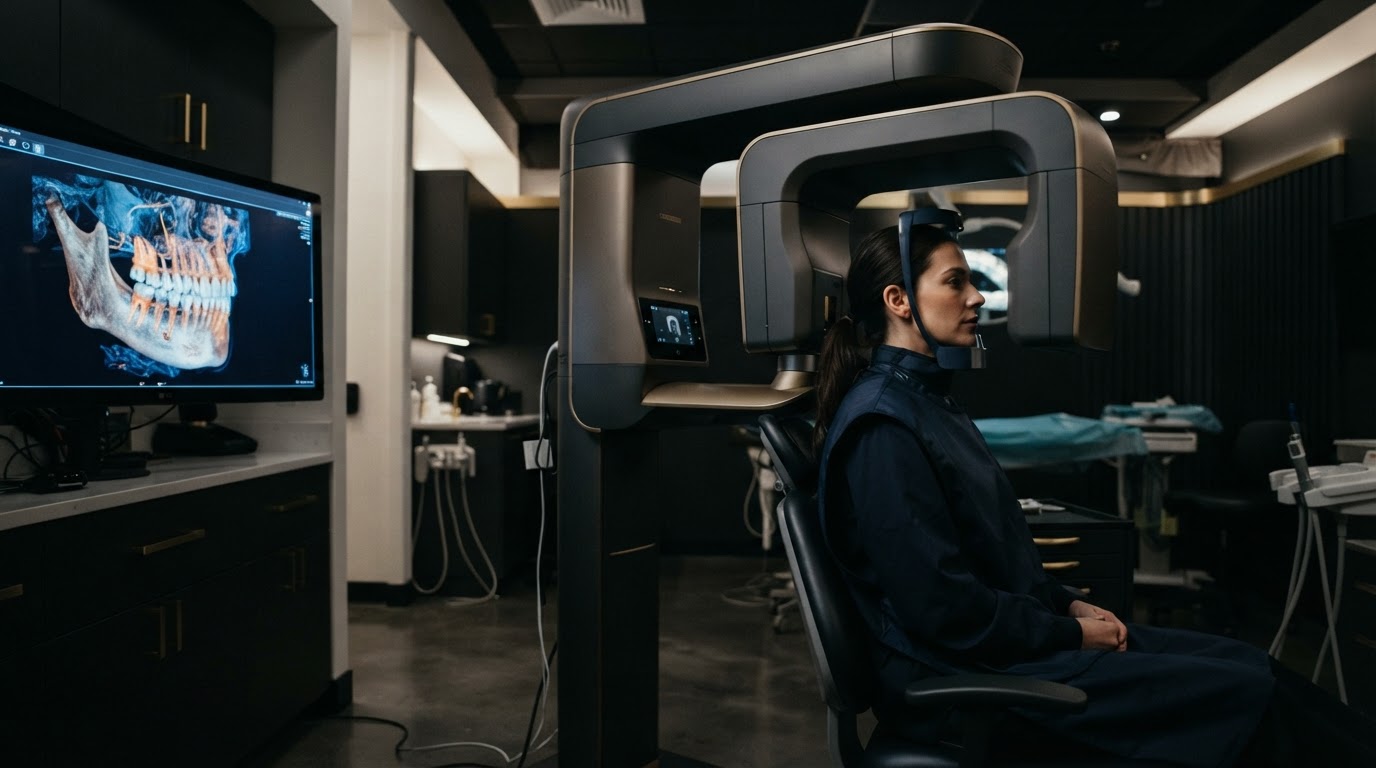
At ARIA, we use 3D CBCT imaging to evaluate the position of your wisdom teeth and their relationship to nerves before surgery. The procedure itself is typically performed under IV sedation for maximum comfort, and most patients return to normal activities within 3–5 days. Impacted wisdom teeth — those trapped beneath the gum or jawbone — may require a surgical approach, but our experienced surgeons handle these cases routinely.
The ideal time for wisdom teeth evaluation is around age 16–18, when the roots are still forming and removal is easiest. Even if your wisdom teeth aren't bothering you yet, a consultation can identify potential problems before they become painful emergencies.
Dental Implants: Single Tooth, Multiple Teeth, and Full Arch
Dental implants are the gold standard for tooth replacement. Unlike dentures or bridges, implants replace the entire tooth — root and crown — providing a permanent, stable solution that looks, feels, and functions like a natural tooth. Implants also preserve jawbone by stimulating it like a natural tooth root, preventing the bone loss that occurs after tooth loss.
ARIA offers the full spectrum of implant solutions:
- Single tooth implants — replacing one missing tooth without affecting adjacent teeth
- Multiple teeth implants — using implant-supported bridges to replace several adjacent teeth
- Full arch implants — replacing an entire arch of teeth with a fixed, permanent prosthesis supported by 4–6 implants (often called All-on-4 or full arch restoration)
- Immediate placement — placing an implant at the time of extraction when conditions allow
- Guided implant surgery — using 3D planning and surgical guides for precise, predictable placement
The implant process typically unfolds in stages: consultation and 3D imaging, implant placement surgery, a healing period (osseointegration) of 3–6 months during which the implant fuses with the bone, and finally restoration with a custom crown, bridge, or prosthesis by your restorative dentist. For patients who have lost significant bone, bone grafting or sinus lift procedures may be needed before implant placement.
Tooth Extractions
While we always prioritize saving natural teeth when possible, extraction is sometimes the healthiest option. Common reasons for extraction include severe decay, advanced periodontal disease, fractured teeth, and teeth that cannot be restored. At ARIA, we perform several types of extractions:
- Routine tooth extraction — for teeth visible above the gumline that can be removed with standard instruments
- Surgical tooth extraction — for teeth that are broken, decayed below the gumline, or require bone removal to access
- Emergency tooth extraction — for acute situations involving severe pain, infection, or trauma
- Bone grafting after extraction — placing graft material in the socket to preserve bone for future implant placement
Every extraction includes a discussion of replacement options. If you plan to replace the tooth with an implant, socket preservation grafting at the time of extraction is often recommended to maintain the bone needed for implant placement.
Bone Grafting & Regenerative Care
Bone grafting is the process of rebuilding jawbone that has been lost due to tooth extraction, periodontal disease, or trauma. Without adequate bone, dental implants cannot be placed securely. Regenerative procedures at ARIA include:
- Socket preservation — grafting immediately after extraction to prevent bone loss
- Sinus lift — augmenting bone in the upper posterior jaw where the sinus has expanded after tooth loss
- Block grafting — rebuilding significant bone defects using larger graft segments
- Ridge augmentation — restoring the natural contour of the jaw after bone loss
These procedures use a combination of graft materials and barrier membranes to encourage your body to regenerate its own bone. The healing process typically takes 4–6 months before implants can be placed, but the result is a solid foundation for long-term implant success.
Corrective Jaw Surgery (Orthognathic Surgery)
Corrective jaw surgery addresses skeletal discrepancies between the upper and lower jaws that affect bite function, facial balance, breathing, and speech. Common indications include severe overbite or underbite that cannot be corrected with orthodontics alone, sleep apnea related to jaw position, facial asymmetry, and difficulty chewing or speaking.
Orthognathic surgery is a collaborative process involving your orthodontist, who aligns the teeth before and after surgery, and your oral surgeon, who performs the skeletal correction. The procedure is planned using 3D CBCT imaging and digital models to precisely reposition the jaws. Recovery typically involves a modified diet for several weeks, with most patients returning to normal activities within 4–6 weeks.
TMJ & TMD Evaluation
The temporomandibular joint (TMJ) connects your jaw to your skull. When this joint or the muscles surrounding it dysfunction, it can cause chronic jaw pain, clicking or popping sounds, difficulty opening the mouth, headaches, and ear pain. This condition is known as TMD (temporomandibular disorder).
At ARIA, TMJ evaluation begins with a comprehensive examination and 3D imaging to assess the joint's structure and function. Treatment options range from conservative approaches (splint therapy, physical therapy, medication) to surgical intervention for severe cases. Our goal is to identify the root cause of your symptoms and develop a treatment plan that provides lasting relief.
Facial Trauma Care
Oral and maxillofacial surgeons are uniquely qualified to treat facial trauma, including fractures of the jaw, cheekbone, eye socket, and other facial bones, as well as soft tissue injuries to the face and mouth. ARIA provides facial trauma evaluation and surgical repair, working closely with hospital emergency departments and medical specialists when needed.
If you or a loved one experiences facial trauma, prompt evaluation is important. Even injuries that seem minor can involve underlying fractures or dental damage that requires professional assessment. We maintain protocols for emergency facial injury evaluation to ensure timely care.
Oral Pathology
Oral pathology encompasses the evaluation and management of abnormalities in the mouth, including lesions, ulcers, cysts, tumors, and changes in the oral tissues. While many oral lesions are benign, some can be precancerous or cancerous, making prompt evaluation essential.
Warning signs that warrant evaluation include: mouth sores that don't heal within two weeks, persistent lumps or thickening of tissue, red or white patches, difficulty swallowing, chronic sore throat, or numbness in the mouth or face. ARIA provides comprehensive oral pathology evaluation, including biopsy when needed, with results typically available within 7–10 days.
Sleep Apnea Surgical Solutions
Obstructive sleep apnea (OSA) is a serious condition in which the airway collapses during sleep, causing repeated pauses in breathing. While CPAP therapy is the standard first-line treatment, some patients cannot tolerate CPAP or have anatomical factors that make surgery a better option.
Surgical solutions for sleep apnea may include procedures to advance the jaw (maxillomandibular advancement), reduce tissue obstruction, or address nasal airway issues. ARIA provides surgical evaluation for sleep apnea patients, working in coordination with sleep medicine physicians to determine whether surgery is an appropriate option.
Preparing for Your Oral Surgery: What to Expect
Regardless of which procedure you're undergoing, the ARIA experience follows a consistent, patient-centered path:
- 01.
Consultation: We review your medical history, examine your condition, and capture any needed imaging. We explain your diagnosis, treatment options, and expected outcomes — and answer every question.
- 02.
Treatment planning: We develop a personalized surgical plan, including sedation options, and provide transparent financial guidance including insurance and financing.
- 03.
Pre-operative preparation: You receive detailed instructions for the days and hours before surgery, including dietary guidelines and medication management.
- 04.
Surgery: Your procedure is performed in our surgical suite with the appropriate sedation and monitoring for your safety and comfort.
- 05.
Recovery: We provide written post-operative instructions, prescribe any needed medications, and schedule follow-up appointments to monitor your healing.
- 06.
Follow-up: Our team stays in contact throughout your recovery and coordinates with your referring dentist or physician as needed.
"The best surgical outcomes come from patients who feel informed, prepared, and cared for. Our job isn't just to perform the surgery — it's to guide you through the entire experience with clarity and compassion."
Your Next Step
Whether you're dealing with wisdom teeth that need attention, exploring dental implants to restore your smile, or facing a more complex oral surgery need, the first step is always the same: a consultation with a board-certified oral and maxillofacial surgeon. At ARIA Oral Surgeons in Taylor, MI, we're ready to provide that consultation — with the expertise, technology, and patient-centered care you deserve.
We welcome patients from across Metro Detroit and Downriver communities. Contact us today to schedule your consultation, or explore our procedure pages to learn more about specific treatments.
Common Questions About Oral Surgery at ARIA
This article was medically reviewed by ARIA's board-certified surgeons and follows our editorial policy and medical review policy. Last updated: 2026-09-14.