
Surgical expertise, thoughtfully delivered.
ARIA brings together precise surgical planning, attentive communication, modern technology, and a calming patient experience. Every detail is designed to help patients feel informed, prepared, and genuinely cared for—from consultation through recovery.
More than a procedure. A complete standard of care.
Oral surgery requires more than technical skill. It requires careful diagnosis, thoughtful preparation, clear communication, appropriate anesthesia planning, and dependable follow-up.
ARIA was designed around the entire patient experience. Our approach combines surgeon-led clinical care with an environment and service model intended to reduce uncertainty, protect privacy, and make every step feel considered.
Precision
Individualized evaluation and treatment planning informed by clinical experience, diagnostic findings, and the needs of each patient.
Comfort
A calm environment, clear preparation, appropriate anesthesia options, and a team that listens carefully to patient concerns.
Care
Attentive coordination before, during, and after treatment, with straightforward expectations and responsive follow-up.
Your care begins with the surgeon.
At ARIA, diagnosis and treatment planning are guided by an oral and maxillofacial surgeon. Each recommendation begins with an understanding of the patient's health, symptoms, imaging, goals, and available treatment options.
- •Individual evaluation before treatment recommendations are made
- •Review of medical history, medications, and relevant risk factors
- •Interpretation of clinical findings and diagnostic imaging
- •Discussion of treatment options and reasonable alternatives
- •Anesthesia planning based on the patient and procedure
- •Coordination with the referring dentist, orthodontist, or physician
- •Clear postoperative expectations and follow-up planning
"Patients should understand not only what is recommended, but why it is being recommended."
Prepared for every stage of care.
Safety is a system that begins before the procedure and continues through recovery and follow-up.
Evaluation
Health history, medications, allergies, and diagnostics reviewed.
Treatment Planning
Surgical approach and anesthesia selected for each patient.
Preparation
Clear instructions on medications, fasting, and logistics.
Monitoring
Established safety protocols during applicable procedures.
Recovery
Post-anesthesia observation before discharge.
Follow-Up
Written instructions, warning signs, and access to care.
Every patient is different. Final recommendations are made after clinical evaluation.
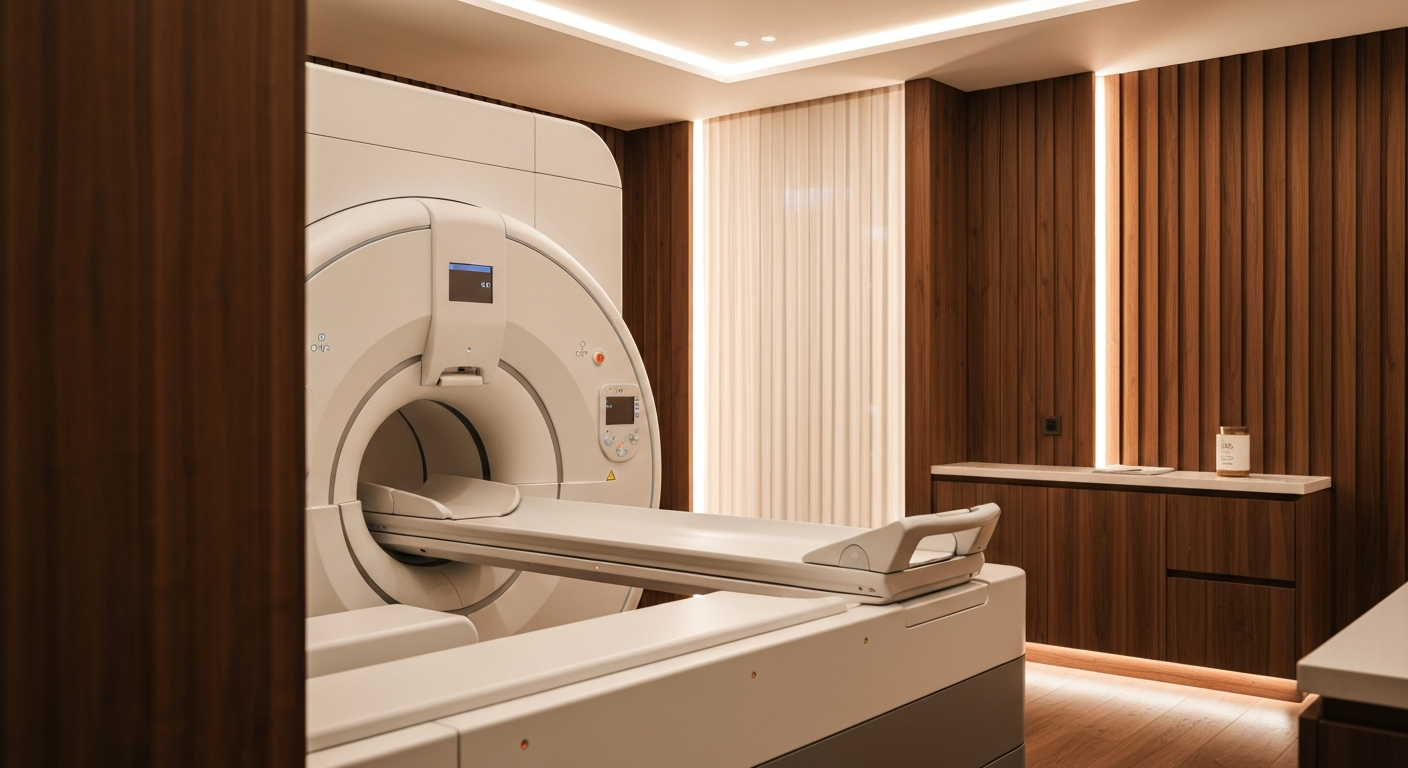
Advanced tools. Human judgment.
Technology is most valuable when it improves understanding, planning, communication, or treatment precision. At ARIA, technology supports the surgeon's clinical judgment rather than replacing it.
Diagnostic Imaging
Three-dimensional or other appropriate imaging may be used when clinically indicated to help the surgeon evaluate anatomy, pathology, bone structure, tooth position, or treatment considerations.
Digital Treatment Planning
Digital planning tools may help the surgical team study anatomy, anticipate technical considerations, and coordinate care with restorative or orthodontic providers.
Implant Planning
For appropriate implant cases, digital information may support implant-position planning, restorative coordination, and the development of surgical guides when indicated.
Patient Communication & Workflow
Visual information helps patients understand their diagnosis and treatment. Secure digital workflows support communication between ARIA and referring dentists, orthodontists, and laboratories.
Not every procedure requires the same technology. The tools used are selected according to the patient's condition, the treatment being considered, and the surgeon's clinical judgment.
Comfort begins before treatment.
For many patients, uncertainty creates as much anxiety as the procedure itself. ARIA addresses comfort through preparation, communication, environment, privacy, and appropriate clinical options.
Clear Expectations
Patients receive straightforward explanations of what to expect before, during, and after treatment.
Anesthesia Options
Available anesthesia and comfort options are discussed according to the procedure, medical history, and individual needs.
A Calm Environment
ARIA's surroundings are designed to feel private, refined, and reassuring without compromising clinical function.
Respectful Communication
The team makes space for questions, concerns, prior experiences, and communication preferences.
Thoughtful Patient Flow
Scheduling, consultation, treatment, recovery, and follow-up are coordinated to minimize avoidable uncertainty.
Responsive Follow-Up
Patients receive postoperative instructions and a clear route for questions or concerns after treatment.

One plan, clearly coordinated.
Oral surgery is often one part of a larger care plan. ARIA works collaboratively with referring dentists, orthodontists, restorative providers, physicians, imaging centers, laboratories, and other specialists when coordination is appropriate.
- Review of referral information and existing records
- Secure transfer of relevant imaging and documentation
- Communication of surgical findings and treatment updates
- Coordination of implant and restorative planning
- Orthodontic collaboration for corrective jaw surgery
- Medical consultation when health conditions require additional planning
- Clear return-to-provider and follow-up recommendations
Understanding is part of excellent care.
ARIA believes that patients should receive enough information to make a considered decision about treatment. Recommendations should be explained clearly, including what the procedure is intended to address, what alternatives may exist, and what recovery may involve.
Why treatment is recommended
Reasonable alternatives
Potential benefits
Relevant risks & limitations
Anesthesia considerations
Expected preparation & recovery
Financial & insurance factors
When specialists participate
"ARIA does not believe in creating pressure around elective treatment decisions. Our goal is to provide the clinical perspective and practical information patients need to move forward with confidence."
The ARIA experience, from consultation through recovery.
Consultation
Meet with the surgical team, discuss the concern, review available information, and determine whether additional imaging or records are needed.
Personalized plan
Receive an explanation of the findings, available options, anticipated procedure, anesthesia considerations, recovery, and financial process.
Preparation
Complete the necessary forms and follow personalized instructions regarding medications, fasting, transportation, and home preparation.
Treatment
Arrive knowing what to expect. The clinical team confirms the treatment plan, answers final questions, and follows the appropriate procedural and safety protocols.
Recovery and follow-up
Leave with instructions, warning signs, contact information, and a follow-up plan tailored to the procedure.
Care you can verify.
How patients describe their experience.
"[Review excerpt placeholder - waiting on verified reviews to populate. This space will feature authentic patient feedback regarding their experience at ARIA.]"
- Verified Patient
"[Review excerpt placeholder - waiting on verified reviews to populate. This space will feature authentic patient feedback regarding their experience at ARIA.]"
- Verified Patient
"[Review excerpt placeholder - waiting on verified reviews to populate. This space will feature authentic patient feedback regarding their experience at ARIA.]"
- Verified Patient
Experience oral surgery with greater clarity and confidence.
Whether you are exploring treatment, preparing for a referred procedure, or seeking a second perspective, the ARIA team is here to help you understand the next step.
Written & Prepared by ARIA Oral Surgeons
Medically reviewed by [SURGEON NAME, CREDENTIALS]
Last updated: September 2026
Medical Review Policy